Autism Awareness Svg Bundle: A Designer's Real-World Review
As someone who spends hours digitizing, stitching, and critiquing machine embroidery design files, I approach every new download with a healthy dose of skepticism. The market is flooded with generic graphics that look great on a screen but fall apart under the needle. When I first opened the Autism Awareness Svg Bundle, my goal wasn't just to admire the aesthetics; it was to determine if these assets could hold up in a real-world embroidery project. This isn't about pretty pictures; it's about whether a small business owner or hobbyist can trust these files to create a professional finished product.
First Impressions: Visual Personality and Layout
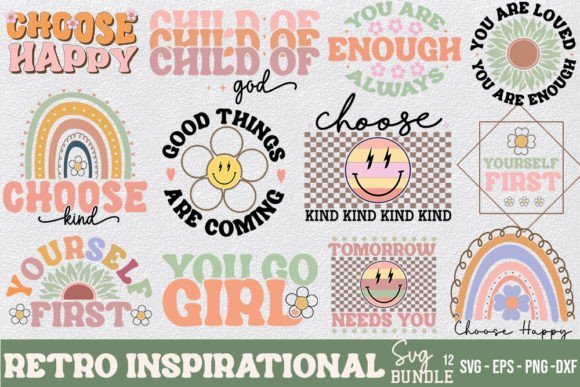
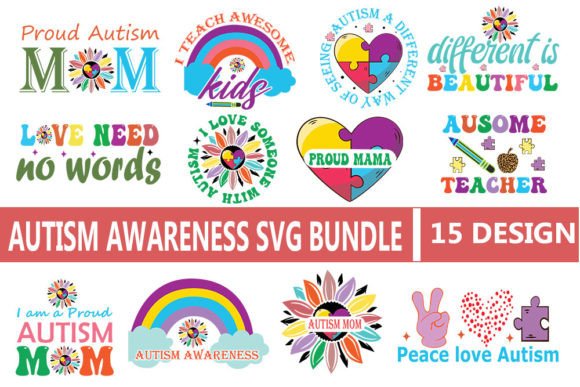
The initial mood of this collection is warm, inclusive, and thoughtfully constructed. Unlike some awareness designs that rely on overly complex gradients or tiny details that scream "impossible to stitch," the shapes here feel deliberate. The layout suggests a strong understanding of how vector paths translate into thread. For an Etsy seller or boutique owner, visual consistency is key to brand recognition. These 15 unique designs offer enough variety to keep a shop fresh without losing that cohesive thematic identity.
What stands out immediately is the balance between detail and simplicity. In the world of Graphics and Crafts, it is easy to over-design. However, these files seem to respect the limitations of thread. The curves appear smooth, which is crucial for avoiding jagged edges when using a satin stitch. If you are planning to use these for a printable mockup or digital preview, the clean lines will render beautifully, giving customers a clear idea of what the final item will look like.
The Real-World Test: Stitching a Custom Tote
To truly evaluate the Autism Awareness Svg Bundle, I simulated a common scenario: creating a custom embroidered tote bag for a local support group fundraiser. Tote bags are tricky; they often have a woven texture that can distort fine details. I selected one of the puzzle-piece inspired designs from the bundle, knowing it would need to be bold enough to stand out against the canvas.
After importing the file into my embroidery software to generate the stitch data (since these are vector formats like SVG, EPS, and DXF), I noted how well the paths closed. There were no stray nodes or open shapes, which is a frequent headache when converting digital embroidery file formats. On the machine, using a medium-weight stabilizer to combat the fabric's weave, the design stitched out with impressive clarity. The thread colors popped against the natural cotton, and the density felt appropriate—not so heavy that it puckered the bag, but dense enough to provide full coverage.
This successful test highlights the bundle's potential for commercial embroidery. Whether you are making sweatshirt embroidery for a family reunion or baby embroidery for a sensory-friendly clothing line, the scalability of these vectors means you can adjust the size without losing integrity, provided you respect the minimum stitch limits of your machine.
Navigating Fabric Challenges and Hoop Constraints
While the designs are robust, practical application requires caution. Not every surface is as forgiving as a tote bag. If you plan to use these on stretchy fabrics like jersey knits for custom apparel, you must be vigilant about your hoop size and stabilizer choice. Some of the more intricate elements in the bundle might struggle on highly textured fabrics like terry cloth or thick fleece unless the design size is increased.
Curved surfaces, such as caps, present another challenge. The geometry of a hat means that wide designs can distort. Before committing to a client order, I strongly advise testing the design on a scrap piece of the exact same material. Check how the fill stitch behaves on dark fabric versus light fabric. Sometimes, a design that looks perfect in color needs a slight underlay adjustment when stitched in white thread on black to prevent show-through.
Additionally, pay close attention to tiny lettering if any of the designs include text elements. Small details can easily get lost or become a bird's nest of thread if the stitch density is too high for the scale. For handmade product creators, ruining a expensive garment due to untested settings is a risk you cannot afford. Always run a test stitch-out.
Commercial Viability and Brand Value
For creative entrepreneurs and small shop product makers, the value of a design asset lies in its ability to generate sales and build trust. The Autism Awareness Svg Bundle offers a level of professionalism that elevates a simple gift into a meaningful keepsake. When a customer receives a personalized gift or an embroidered patch that is crisp and well-executed, it reinforces their trust in your brand.
These files are versatile enough for various revenue streams. You could use them for holiday embroidery projects, creating ornaments or stockings that celebrate neurodiversity. They work equally well for year-round merchandise like aprons for therapy centers or pillow covers for sensory rooms. The fact that you receive multiple formats—SVG, PNG, EPS, and DXF—means you are not locked into one workflow. You can use the PNGs for sublimation previews or the DXFs for cutting machines, expanding your product offerings beyond just embroidery.
Essential Designer Notes for Success
To get the most out of this bundle, keep these practical tips in mind:
- Verify Licensing: Before selling finished items or digital products derived from these files, confirm the specific license terms included in the zip file. Commercial use rights vary by creator.
- Check File Compatibility: Since these are vector files, ensure your embroidery software can correctly import SVG, EPS, or DXF formats to convert them into stitch files compatible with your specific machine.
- Contrast is Key: Test your thread colors against your fabric. High contrast often yields better definition for awareness symbols.
- Stabilizer Matters: Don't skimp on stabilizer, especially for stretchy fabrics or items that will undergo frequent washing like tea towels and kitchen towels.
- Mockup Testing: Use the included PNGs to create realistic mockups for your online listings. This helps manage customer expectations regarding size and placement.
In conclusion, the Autism Awareness Svg Bundle is a solid addition to any designer's library. It bridges the gap between artistic intent and technical execution. While it requires the usual due diligence regarding fabric selection and machine setup, the underlying quality of the vectors provides a reliable foundation for creating impactful, high-quality goods. For anyone looking to add meaningful, awareness-driven items to their catalog, this bundle is worth the investment.