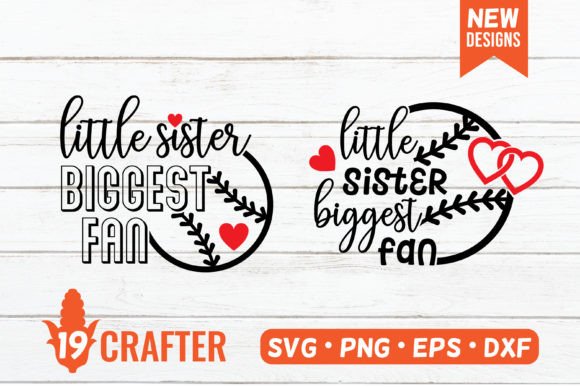
Little Sister Biggest Fan Baseball SVG Review
As a designer who spends more time staring at stitch maps than actual games, I approach every new machine embroidery design with a healthy dose of skepticism. We have all seen those "cute" files that look fantastic on a screen but turn into a tangled mess of thread breaks and puckering once they hit the hoop. So, when I pulled up the Little Sister Biggest Fan Baseball SVG to evaluate it for a potential run of custom sibling apparel, I wasn't just looking at the aesthetics; I was mentally simulating the stitching process.
This isn't just a digital asset; it is a blueprint for a physical handmade product. Whether you are an Etsy seller preparing for the spring sports season or a hobbyist making a gift for a niece, the viability of this graphic depends entirely on how it translates from vector lines to satin and fill stitches.
First Impressions: Mood and Layout
The first thing that strikes me about the Little Sister Biggest Fan Baseball SVG is its playful yet structured personality. It captures that specific family dynamic—the proud older sibling and the adoring younger one—without feeling overly saccharine. The layout typically balances typography with iconic baseball imagery, such as bats, balls, or stitching patterns. From a design perspective, the spacing feels intentional. There is enough breathing room between the text elements and the graphical icons, which is crucial for embroidery.
In many poorly designed files, letters are crammed so close together that the underlay shows through, or the columns of text merge into a solid block of thread. Here, the separation suggests a thoughtful approach to stitch density. The visual mood is energetic and sporty, making it an ideal candidate for custom apparel like team jerseys, practice tees, or casual weekend wear. It feels modern enough to not look dated in a year, which is essential if you are building a catalog of design assets for a small shop.
Real-World Application: The Sibling Sweatshirt Scenario
To truly test the worth of this file, I imagined a specific real-life scenario: a customer order for a set of matching heather grey sweatshirts for two sisters. One is playing travel ball, and the other is too young to play but attends every game. This is a classic use case for the Little Sister Biggest Fan Baseball SVG.
On a medium-weight cotton blend sweatshirt, this design would shine. The fabric provides enough stability to support the likely fill stitch areas of the baseball graphics without excessive shifting. I can visualize the finished product clearly: the bold lettering declaring "Biggest Fan" sitting proudly above a stylized baseball motif. For the Etsy seller, this represents a high-value item. It solves a problem for the buyer (finding matching outfits) and offers a personalized touch that mass-produced retail shirts cannot match.
Beyond sweatshirts, this graphic is versatile enough for a tote bag design. Imagine a canvas tote for carrying cleats and water bottles. The durability of machine embroidery makes it superior to vinyl heat transfers, which often crack after repeated washing. If you are offering commercial embroidery services, pitching this as a durable, long-lasting alternative to printed gear is a strong selling point.
Navigating Fabric Textures and Hoop Constraints
However, enthusiasm must be tempered with technical reality. Not every surface is ready for this design. While the Little Sister Biggest Fan Baseball SVG appears robust, caution is required when working with difficult materials. If you plan to stitch this onto a stretchy performance jersey or a thin baby onesie, your choice of stabilizer becomes the most critical variable. A cut-away stabilizer would be non-negotiable here to prevent the design from warping over time.
Furthermore, consider the hoop size. If the design includes wide lettering or expansive graphical elements, it might require a large hoop. Attempting to force a large design into a small hoop by resizing can be disastrous. Shrinking the file too much will cause the satin stitch columns in the text to become too narrow, leading to thread bunching and poor coverage. Always check the recommended minimum size before committing to a project, especially for baby embroidery where space is limited.
Curved surfaces present another challenge. Stitching this onto a structured cap is possible, but the curvature can distort the horizontal alignment of the text. If you are doing sweatshirt embroidery on a sleeve or a pocket, ensure the fabric is hooped tautly to avoid registration issues. Dark fabrics also require attention; if the design relies on light thread colors, you may need to verify that the digitized version includes a proper underlay to prevent the dark fabric from peeking through the stitches.
Enhancing Brand Value and Customer Trust
Why does the quality of a single embroidery file matter so much? Because your reputation is stitched into every item you sell. When a customer receives a personalized gift featuring the Little Sister Biggest Fan Baseball SVG, they are judging your entire brand based on that stitch quality. Clean edges, consistent density, and clear lettering build trust. They signal professionalism.
Conversely, a design that pulls, gaps, or looks sloppy damages your credibility. Using a well-structured graphic like this one helps maintain brand consistency. It allows you to create a cohesive line of small shop products that look like they belong together. Whether it is for holiday embroidery gifts or end-of-season team rewards, the visual appeal of the finished product directly influences buyer engagement and the likelihood of repeat business.
Practical Notes for the Studio
Before you load this file into your machine and start churning out inventory, here are a few practical steps I recommend taking:
- Test on Scrap First: Never skip the test stitch-out. Use the same fabric and stabilizer combination you intend to use for the final product.
- Check Thread Contrast: Ensure your chosen thread colors pop against the fabric. A low-contrast test can reveal if the design relies too heavily on subtle shading that won't translate well to thread.
- Inspect Small Details: Look closely at the tiny elements, like the stitching on the baseball or the dots on the "i"s. Are they clean running stitches or dense fills that might break?
- Verify Licensing: Since this is a digital product potentially used for commercial gain, confirm the license terms. Can you sell the finished physical items? Can you resell the file itself? Clarity here protects your craft business.
- Mockup Verification: Create both color and black-and-white printable mockups to see how the design holds up without the distraction of color.
The Little Sister Biggest Fan Baseball SVG sits at the intersection of sentiment and sport. It is a design that, when executed with care, creates a meaningful connection between siblings and elevates a simple garment into a cherished keepsake. For the discerning designer, it offers a solid foundation for creating high-quality, marketable goods. Just remember, the file is only half the equation; your skill in handling fabric, tension, and stabilization is what brings it to life.
Whether you are decorating a kitchen towel for a coach's gift or producing a run of embroidered patches for a local league, treat this graphic with the respect it deserves. Check your settings, trust your instincts, and let the stitches do the talking. In the world of Crafts and Graphics, the difference between a good product and a great one often comes down to these very details.