Antler SVG Review: A Designer's Take on Holiday Embroidery
As a designer who spends more time staring at stitch maps than most people care to admit, I approach every new machine embroidery design with a mix of excitement and skepticism. We've all been there: you buy a file based on a sleek thumbnail, only to find out the stitch density is a nightmare or the lines are too thin for a clean finish. So, when I came across the Antler SVG, I didn't just look at it as a pretty graphic; I looked at it as a potential asset for my upcoming holiday collection. This isn't just about cutting vinyl; it's about how this vector translates into thread, texture, and tangible value for a handmade product.
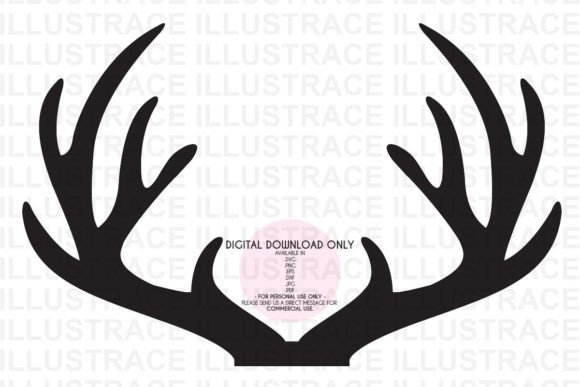
The first impression of the Antler SVG is its clean, organic silhouette. In the world of holiday embroidery, we often see cluttered designs overloaded with snowflakes, text, and berries. This design, however, leans into minimalism. The shape feels natural and grounded, evoking that rustic, cabin-in-the-woods mood that is so popular right now. For an Etsy seller or boutique owner, this visual personality is gold. It doesn't scream "cheap craft fair item"; it whispers "thoughtful, high-end decor." When I visualize this stitched out, I see it working beautifully as a focal point rather than getting lost in a busy background.
From Vector to Thread: Real-World Application
Let's talk about a real scenario. I'm currently prepping a run of custom canvas tote bags for a local market, and I needed a tote bag design that would appeal to customers looking for eco-friendly holiday gifts. The Antler SVG fits this brief perfectly. Because it is provided as a high-quality digital download with various formats like EPS, DXF, and PDF, the scalability is excellent. I can resize it to fit a small pocket on an apron or expand it for the back of a heavy denim jacket without losing definition.
However, moving from a Graphics file to an embroidery file requires some mental translation. Since this is an SVG, it serves as the perfect blueprint for digitizing or using with auto-digitizing software. The smooth curves of the antlers suggest that a satin stitch border would look incredibly sharp, giving that professional, raised edge that customers love to touch. If you are planning to use this for sweatshirt embroidery, the bold lines hold up well against the fuzzy texture of fleece or French terry. Unlike intricate lace patterns that get swallowed by nap, the solid form of the antler maintains its integrity, ensuring your finished product looks crisp even after a few washes.
I also tested the concept mentally for baby embroidery. A soft, neutral-colored onesie with a small, single-color antler motif creates an adorable, gender-neutral personalized gift. The simplicity of the design means it won't feel stiff or uncomfortable against sensitive skin, provided you use a soft backing and appropriate stabilizer. This versatility makes it a strong contender for diverse Crafts projects, ranging from nursery decor to adult apparel.
Navigating Fabric Textures and Hoop Limitations
While the design is strong, a responsible designer knows where to exercise caution. If you are working with textured fabrics like waffle weave kitchen towels or thick terrycloth, the finer tips of the antlers might get lost if the stitch count is too low. In these cases, you might need to adjust your digitizing settings to ensure the running stitch or fill areas penetrate the fabric texture adequately. Similarly, if you are attempting this on a curved surface like a cap, the layout needs careful centering. Antlers have a specific symmetry that can look skewed if the fabric shifts during the embroidery project.
Another consideration is the hoop size. While the SVG is scalable, your physical machine limits apply. If you are aiming for a large statement piece on a blanket, ensure your maximum hoop size can accommodate the width of the antler spread. For smaller applications, like an embroidered patch or a pocket logo, the detail level is generally forgiving, but always test on scrap fabric first. This is non-negotiable. Seeing how the thread colors interact with your specific material is the only way to guarantee quality. A dark forest green thread on a navy sweatshirt might look muddy, whereas a metallic gold or classic cream could provide the necessary contrast to make the design pop.
Building Brand Value and Customer Trust
In the competitive landscape of commercial embroidery, consistency is key. Using a cohesive set of design assets helps build brand recognition. The Antler SVG offers a level of professionalism that elevates a small shop product above generic store-bought items. When a customer receives a pillow cover or tea towel with a cleanly executed antler motif, it signals attention to detail. It tells them that the maker cares about aesthetics and quality.
Furthermore, this design is highly "instagrammable." In today's market, the visual appeal of your printable mockup or social media photo can make or break a sale. The graphic nature of the antler photographs well, creating strong shadows and highlights that translate beautifully to digital screens. This enhances buyer engagement and can drive traffic to your listings. Whether you are selling the physical custom apparel or using the design to create digital products for other makers, the clarity of the vector ensures that your marketing materials look polished.
Practical Notes for the Serious Maker
Before you commit to a full production run, here are a few practical steps I recommend. First, verify the licensing terms included with your download. Since this is a digital asset intended for craft business use, confirm whether it allows for unlimited commercial sales of finished goods or if there are restrictions on reselling the file itself. Second, experiment with different stitch types. While a standard fill works, consider if a fill stitch with a slight texture or a combination of satin and running stitches could add unique character to the piece.
Also, don't underestimate the power of testing in black and white. Convert your preview to grayscale to check the contrast and ensure the design reads clearly without relying on color. This is especially important for applique design variations where fabric layers define the shape. Finally, always pair your design with the right stabilizer. For stretchy fabrics, a cut-away stabilizer is often safer than tear-away to prevent distortion over time, preserving the shape of those elegant antler tines.
In conclusion, the Antler SVG is more than just a seasonal graphic; it is a versatile tool for the modern creator. It bridges the gap between digital convenience and tactile artistry. By understanding its strengths in composition and being mindful of its application on various textiles, you can create stunning holiday gifts and merchandise that stand out. It's a solid choice for anyone looking to add a touch of rustic elegance to their portfolio, provided you take the time to respect the materials and the machine. Happy stitching!