Good Things Take Time – SVG: A Designer's Review
As someone who spends hours hunched over an embroidery hoop, staring at digitized files on a screen before committing thread to fabric, I have learned to be skeptical of "motivational" designs. Too often, they feel generic, overly complex, or poorly digitized for actual stitching. However, when I first pulled up the Good Things Take Time – SVG file in my design software, the vibe was immediately different. This isn't just a clip-art phrase; it feels like a genuine piece of retro-inspired art that respects the medium of embroidery. For craft business owners and Etsy sellers looking to add depth to their product lines, this design offers a refreshing blend of nostalgia and modern simplicity.
The Aesthetic: Retro Warmth Meets Stitch Clarity
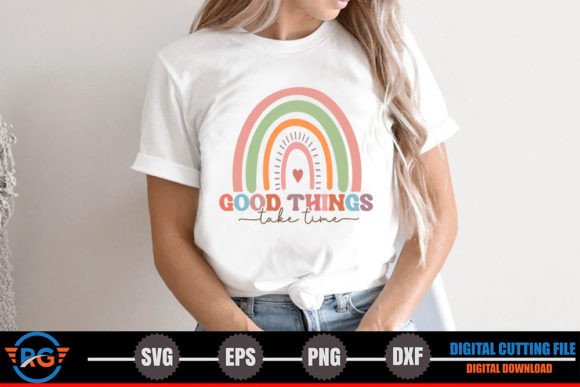
The first thing that strikes me about this Graphics asset is its visual personality. The typography carries a distinct retro weight—think 1970s diner signs meets modern boutique branding. It avoids the trap of being too swirly or intricate, which is crucial for machine embroidery. When you are translating a vector image into a machine embroidery design, clean lines are your best friend. The shapes in this file suggest bold fill stitch areas balanced with crisp outlines, likely requiring satin stitch borders to make the text pop against various backgrounds.
The mood it creates is one of patience and encouragement. In a world of instant gratification, this message resonates deeply with customers buying handmade products. Whether you are creating a personalized gift for a new parent waiting for a baby to arrive or a piece of decor for a home office, the sentiment fits perfectly. As a designer, I appreciate that the layout is balanced. It doesn't look like it will pull or distort easily, provided the digitizing matches the quality of the source SVG.
Real-World Application: The Tote Bag Test
To truly evaluate this file, I imagined a specific real-life scenario: producing a run of canvas tote bags for a local farmer's market. Canvas is a sturdy fabric, but it has a noticeable fabric texture that can swallow fine details. The Good Things Take Time – SVG shines here because its bold lettering remains legible even on coarse weaves. I can visualize this design centered on a natural cotton tote, stitched in a deep forest green or a burnt orange thread to enhance that retro feel.
Beyond totes, this design is incredibly versatile for custom apparel. Imagine it embroidered on the chest of a heavyweight crewneck sweatshirt. The curve of the text (if the specific variation chosen has an arc) or the straight baseline would sit beautifully above the pocket area or centered on the torso. For sweatshirt embroidery, the density of the design matters. Since this is a motivational quote, it needs to look substantial without becoming a stiff cardboard patch on the chest. The open spaces between the letters in the SVG preview suggest good breathability, which translates to a softer hand feel in the finished product.
I also see strong potential for baby embroidery. A onesie or a nursery wall hanging featuring this phrase speaks directly to the slow, beautiful process of raising a child. However, when scaling down for infant wear, one must be cautious. The smaller the item, the more critical the hoop size and stitch resolution become. If the design is too dense, it could irritate sensitive skin. Always check the stitch count and density settings in your embroidery software before running this on delicate knits.
Navigating Fabric Challenges and Technical Details
While the design is robust, no embroidery file is universal without some adjustments. If you plan to use this on dark fabrics, you must ensure your digitizing software includes a proper underlay. The contrast between the thread and the background is vital for readability. A light cream thread on a navy blue hoodie looks stunning, but only if the stitches cover the fabric completely without gaps. This is where checking the stitch density is non-negotiable.
Curved surfaces present another challenge. If you are attempting this on a cap, the structural seams and the curvature of the crown can distort the text. The phrase "Good Things Take Time" is relatively long; fitting it onto a standard cap front might require significant resizing, which could compromise the legibility of the smaller details. In such cases, I would recommend splitting the text or using it on a flat embroidered patch that is later applied to the hat. This gives you control over the placement and ensures the stabilizer supports the design correctly without puckering.
For items that will undergo frequent washing, like kitchen towels or aprons, the durability of the stitch type matters. If the original SVG is converted into a design with too many running stitch details, they may snag or fray over time. Converting this into a design with solid fills and secure satin columns will ensure longevity. Always test your final digitized version on a scrap piece of the same fabric you intend to sell. This simple step saves money and protects your reputation as a small shop product creator.
Commercial Value and Brand Consistency
For the Etsy seller or creative entrepreneur, the value of a design lies not just in how it looks, but in how it sells. This design assets fits seamlessly into current trends favoring mindfulness and slow living. It adds perceived value to a basic item. A plain pillow cover becomes a statement piece; a simple tea towel becomes a thoughtful housewarming holiday embroidery gift. The professional look of the typography helps build brand consistency if you are building a collection around wellness, home decor, or inspirational goods.
Furthermore, the versatility of the file formats mentioned in the product description—SVG, EPS, DXF, and PNG—means you aren't limited to just stitching. You can use these design assets to create printable mockups for your online store listings before you even stitch a single thread. This allows you to test color combinations and gauge customer interest. The ability to change colors 100% means you can adapt the design for different seasons or brand palettes instantly, making it a cost-effective tool for commercial embroidery operations.
Final Thoughts for the Practical Maker
In my experience, the difference between a hobbyist project and a sellable handmade product often comes down to the quality of the source file and the care taken during production. The Good Things Take Time – SVG provides a strong foundation. It has the visual appeal to catch a customer's eye and the structural simplicity to translate well into thread. However, remember that the SVG is a vector graphic, not a pre-digitized embroidery file. You will need to use your preferred digitizing software to convert this into a stitch file compatible with your machine.
Before listing this as a craft business item, verify the licensing terms provided with the download to ensure commercial use is permitted for finished goods. Check the details on small corners and tight curves in your simulation view. Test it on both light and dark fabrics to master your tension settings. If you approach this project with the same patience the quote suggests, the results will undoubtedly reflect the quality and care your customers expect. This design is a solid investment for anyone looking to expand their catalog with meaningful, high-quality embroidered goods.