Let Go and Let God SVG: A Designer's Review for Real Projects
As a designer who spends more time staring at stitch maps than most people spend on their phones, I approach every new digital embroidery file with a mix of excitement and skepticism. We have all been there: you buy a beautiful graphic, convert it, and then watch in horror as your machine chews through the fabric because the density was all wrong or the details were too tight. Today, I am taking a close look at the Let Go and Let God SVG. This isn't just a quick glance at a thumbnail; this is an evaluation of how this specific design holds up when you move from the screen to the hoop, specifically for those of us running small shops or creating heartfelt handmade products.
First Impressions: Mood and Visual Personality
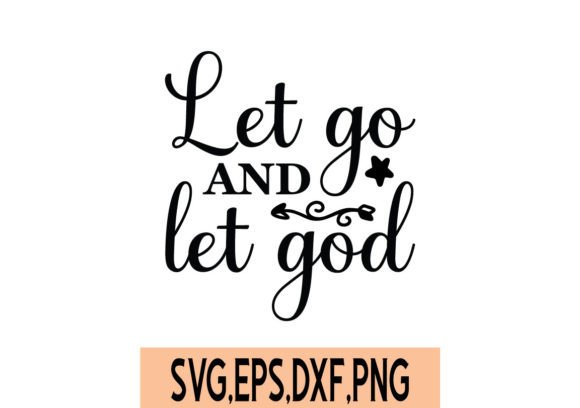
When I first pulled up the Let Go and Let God SVG, the immediate feeling was one of calm assurance. In the world of Crafts and Graphics, faith-based designs can sometimes feel cluttered or overly ornate, losing their message in excessive flourishes. However, this design strikes a balance. The typography feels grounded yet airy, suggesting a layout that should translate well into thread. The "visual personality" here is gentle but firm, making it an ideal candidate for items meant to provide comfort or inspiration.
From a technical standpoint, the fact that these are vector shapes is a massive plus. Since the files are described as 100% editable and easy to modify, I immediately thought about color variations. For a project like this, being able to swap a standard black text for a soft sage green or a muted terracotta without losing edge definition is crucial. It allows us to tailor the embroidery project to specific brand palettes or seasonal trends without needing to redraw the entire asset.
The Real-World Test: From File to Fabric
To truly understand the value of this design, I imagined a specific real-life scenario that many of us face daily: a custom order for a boutique client who runs a wellness shop. She needed a run of heavy cotton tote bags and some French terry sweatshirts featuring an uplifting message. The Let Go and Let God SVG seemed perfect for this application.
For the tote bag design, the open nature of the lettering suggests it would work beautifully with a satin stitch border or even a clean fill stitch, depending on the size. On a tote, you have a stable canvas, so the risk of puckering is lower. However, moving to the sweatshirt embroidery changes the game. Sweatshirts have texture and stretch. If the stitch density in the converted file is too high, the fabric will pucker, and the message will look distorted. Because this SVG allows for easy modification, a savvy designer can widen the gaps between letters or reduce the fill density before sending it to the digitizer (or if you are digitizing it yourself) to ensure it sits flat on the fuzzy surface of the fleece.
I also considered this for baby embroidery. Parents often look for subtle, meaningful gifts for nurseries. A version of this design on a muslin swaddle or a onesie would be incredibly popular. Here, the simplicity of the design is its strength. Complex, dense designs can be scratchy against sensitive skin, but a well-executed version of this SVG, perhaps using a lighter running stitch outline or sparse fill, would remain soft and comfortable while delivering a powerful message.
Navigating Technical Challenges and Fabric Choices
While the design is versatile, there are areas where caution is required. If you are planning to use this on a cap, remember that curved surfaces distort straight lines. The phrase "Let Go and Let God" has a nice flow, but if the arch is too aggressive on a structured cap, the readability might suffer. I would recommend testing this on a scrap piece of similar weight fabric first, especially if you are working with a small hoop size.
Dark fabrics present another consideration. If you are stitching white or light-colored thread onto a navy hoodie or black apron, you need to ensure your underlay is sufficient to prevent the fabric from showing through the stitches. Since this is a digital download containing EPS, SVG, PNG, and DXF files, you are likely responsible for the actual stitching instructions (the .pes, .dst, etc.). This means you must check the stitch count and density settings in your embroidery software. Do not assume the default conversion will be perfect. A good rule of thumb for text-heavy designs like this is to keep the minimum letter height above 0.25 inches to maintain clarity, especially if using a satin stitch.
Furthermore, consider the end user's lifestyle. If this design is going onto a kitchen towel or an apron intended for frequent washing, the durability of the thread and the stability of the backing matter immensely. Using a high-quality cut-away stabilizer is non-negotiable here to prevent the design from shifting or fraying after multiple wash cycles. The "high quality" claim of the vector files helps ensure that the edges remain crisp during the digitizing phase, which is the foundation of a durable finished product.
Commercial Viability and Brand Consistency
For Etsy sellers and creative entrepreneurs, the commercial potential of this design is significant. Faith-based apparel and home decor remain evergreen niches. The clean aesthetic of the Let Go and Let God SVG fits perfectly with the current trend of minimalist, boho-chic styling. It doesn't scream "souvenir"; it whispers "lifestyle brand."
When creating printable mockups for your online shop, the editable nature of these files is a goldmine. You can quickly generate variations to show customers different color options without needing a degree in graphic design. This speeds up your workflow and allows you to list more products faster. Whether you are selling the physical handmade product or using the design as part of a larger design assets pack, the professionalism of the source file directly impacts customer trust. A clean, well-proportioned SVG translates to a clean, professional-looking embroidered item, which leads to better reviews and repeat business.
Practical Notes for the Working Designer
Before you commit to a full production run, here are my top recommendations for working with this specific asset:
- Test on Scraps: Always stitch out a sample on the exact fabric you intend to use. What looks good on cotton might behave differently on polyester blends.
- Check Contrast: Review your thread colors against the fabric. High contrast is usually best for readability, but tonal stitching can offer a sophisticated, subtle look for high-end boutiques.
- Verify Licensing: While the product description mentions it is editable and high quality, always double-check the specific license terms regarding commercial use. Ensure you are cleared to sell finished items like custom apparel or embroidered patches.
- Mind the Details: Inspect the tiny corners of the letters. If the vectors are too sharp, they might cause thread breaks. Slightly rounding extreme corners in your editing software can improve stitch flow.
- Stabilizer Strategy: Match your stabilizer to the fabric weight. Heavy items need strong support; delicate items need something that won't add bulk.
In conclusion, the Let Go and Let God SVG is a robust tool for the modern maker. It bridges the gap between spiritual sentiment and contemporary design aesthetics. By paying attention to fabric choice, stitch density, and proper stabilization, you can transform this digital file into a tangible object that brings value to your customers and consistency to your brand. It is a reminder that in our craft, as in life, preparation and attention to detail allow us to create with confidence.