One Dapper Dude SVG: A Designer's Review for Real Projects
As a designer who spends more time staring at stitch maps than most people care to admit, I approach every new digital embroidery file with a mix of curiosity and skepticism. We have all been there: you download a cute graphic, load it into your software, and realize halfway through stitching that the density is wrong or the details are too fine for the fabric you chose. That is why I wanted to take a close look at the One Dapper Dude SVG before committing it to a client project. This isn't just about whether the image looks good on a screen; it is about how it translates into thread, how it holds up on a handmade product, and whether it delivers the professional finish our customers expect.
First Impressions and Visual Personality
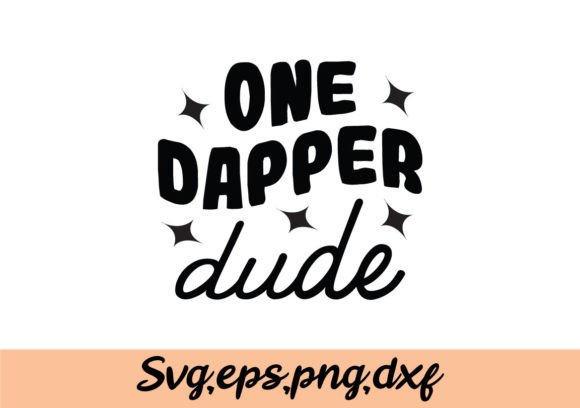
When I first opened the files included in the Crafts category bundle, the immediate takeaway was the clean, confident vibe of the character. The "dapper" theme suggests sophistication, whimsy, and a touch of vintage charm, which makes it incredibly versatile. Visually, the design relies on strong outlines and distinct shapes rather than overly complex shading. For an embroidery project, this is often a win. Complex gradients can sometimes turn into muddy messes when converted to satin stitch or fill stitch, but a design with clear definition like this one tends to stitch out crisply.
The layout feels balanced, with enough negative space to prevent the stitching from becoming too dense. In my experience, designs that breathe well on the screen usually translate better to fabric, especially when working with textured materials like linen or heavy cotton twill. The personality of the character leans towards the playful yet polished side, making it a perfect candidate for boutique branding or personalized gifts where you want to convey quality without being overly serious.
Real-World Application: The Custom Tote Test
To truly evaluate the One Dapper Dude SVG, I imagined a specific real-life scenario: creating a line of custom tote bags for a local coffee shop's loyalty program. The goal was to create a tote bag design that felt premium but durable enough for daily use. I selected a natural canvas fabric and decided to use a contrasting dark thread to make the character pop.
In this context, the design shines. The bold lines of the "dapper" figure would hold up well against the weave of the canvas. Because the design is provided as an SVG file (along with EPS, DXF, PNG, and JPEG), I had the flexibility to resize it perfectly for the hoop without losing vector quality. This is crucial for Etsy sellers and small shop product creators who need to adapt one asset for multiple items, such as shrinking it for a pocket logo or enlarging it for a back panel.
If I were to pivot this same design to a sweatshirt embroidery project, the approach would change slightly. On fleece or French terry, the texture can swallow fine details. However, the robust nature of this graphic suggests it would remain legible even on looped fabrics, provided the underlay is handled correctly. It creates a finished product that looks intentional and high-value, rather than like a generic iron-on transfer.
Technical Considerations for Stitching
While the visual appeal is strong, practical execution requires attention to detail. Since the package includes formats like EPS File, SVG File, PNG File, JPEG File, and dxf File, it is important to remember that these are graphic files, not native machine embroidery files (like PES or DST). As a professional, my first step is always importing the SVG into my digitizing software to generate the actual stitch data. This allows me to control the stitch density and assign specific stitch types.
For the One Dapper Dude SVG, I would recommend using a combination of satin stitches for the outlines and hat brim to give that sharp, glossy look, and fill stitches for larger areas like the face or body. If you are planning an applique design, this graphic is an excellent candidate. You could cut fabric shapes for the suit and hat, then use a tack-down stitch followed by a neat satin border. This adds texture and depth, elevating the perceived value of the item significantly.
There are situations where caution is needed. If you are working on a cap or other curved surface, ensure the design width fits within the usable area of your cap frame. Detailed corners can sometimes pull or pucker if the stabilizer isn't robust enough. For stretchy fabrics like jersey knits used in baby embroidery or t-shirts, a cut-away stabilizer is non-negotiable to prevent distortion after washing. Always test the design on scrap fabric first. Check how the thread colors interact with the base material; a dark thread on a dark shirt might lose the definition that makes this character so charming.
Maximizing Commercial Value
For commercial embroidery professionals and creative entrepreneurs, the versatility of this asset is its biggest strength. Whether you are making holiday embroidery gifts, nursery decor, or branded aprons for a bakery, the "dapper" theme fits a wide range of narratives. It works particularly well for father-themed gifts, groomsmen proposals, or even as a mascot for a men's grooming brand.
The fact that the files are described as "100 Editable" is a significant plus. This means you can tweak colors, add text, or modify elements to suit specific client requests without starting from scratch. This level of customization helps maintain brand consistency across different products. When a customer sees a cohesive look across your printable mockup and the physical embroidered patch or garment, it builds trust and encourages repeat business.
Final Verdict for Makers
The One Dapper Dude SVG is a solid addition to any designer's library of design assets. It strikes a balance between whimsical character and professional structure, making it suitable for both hobbyists looking to make a unique personalized gift and business owners scaling their craft business. The key to success lies in how you prepare the file for the machine. Do not skip the digitizing adjustments. Pay attention to your hoop size constraints, choose the right stabilizer for your fabric texture, and always run a test stitch-out.
Remember, the files come compressed in a ZIP archive, so extraction is your first step. Once you have access to the high-quality vectors, the potential is vast. From kitchen towels to pillow covers, this design has the visual weight to stand out. By treating it with the technical respect it deserves during the digitizing and stitching phases, you can create products that not only look great but also withstand the rigors of daily use, ensuring your customers keep coming back for more.