Pride LGBT Gay Retro SVG Sublimation Review
As a designer who spends more time staring at stitch maps than most people care to admit, I approach every new Pride LGBT Gay Retro SVG Sublimation file with a mix of curiosity and skepticism. The market is flooded with digital assets, but few translate well from a screen to a tangible, stitched reality. When I first opened this specific design package, my immediate goal wasn't just to admire the vectors; it was to determine if this graphic could hold its own as a professional machine embroidery design for my clients.
The Visual Personality and First Impressions
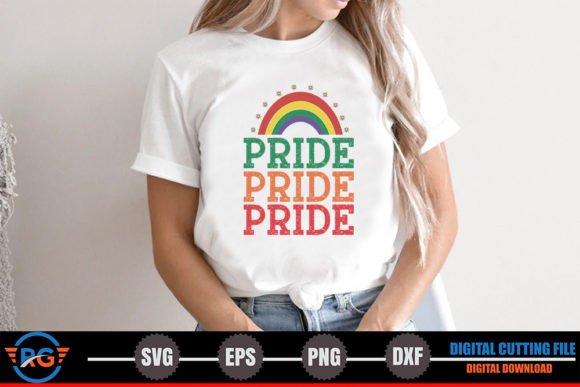
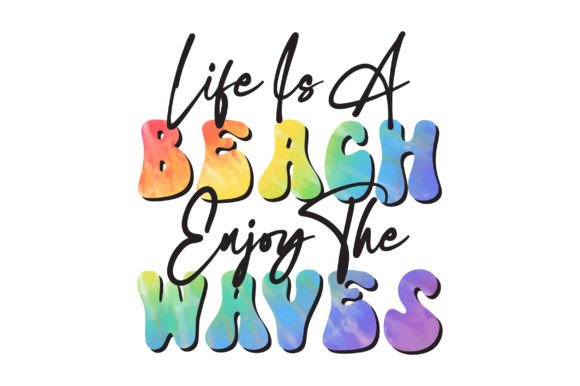
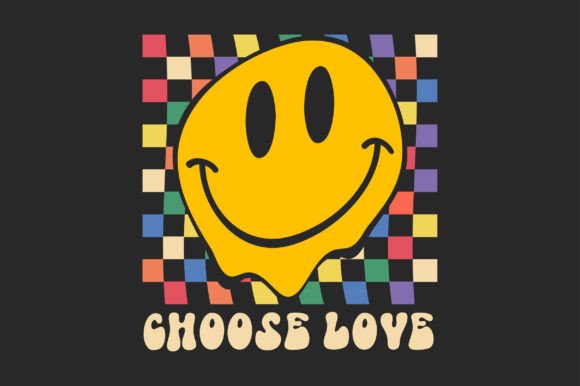
The retro aesthetic is having a major moment, and this design leans heavily into that nostalgic, groovy vibe. Upon inspecting the vector shapes provided in the AI, EPS, and SVG files, the layout feels balanced. The "100 vector shapes" mentioned in the description suggests a decent level of complexity without being overly chaotic. For an embroiderer, this is crucial. A design that looks great on a sublimation printer can sometimes fall apart when converted to stitches if the elements are too thin or too close together.
The mood here is celebratory and bold. It's not a subtle, tonal piece; it demands attention. This makes it an excellent candidate for statement pieces rather than background textures. The color palette inherent in the retro style—likely featuring warm oranges, muted yellows, and classic rainbow tones—translates beautifully to thread. However, because this is sold primarily as a sublimation asset, using it for embroidery requires a strategic mindset. You aren't just printing ink; you are building texture with thread.
Real-World Application: The Tote Bag Test
To truly evaluate the Pride LGBT Gay Retro SVG Sublimation design, I envisioned a specific project: a custom canvas tote bag for a local boutique celebrating Pride month. Canvas is a forgiving fabric, offering a stable base for what would need to be a dense fill or a clean appliqué approach. If I were to digitize this myself based on the SVG, I would likely opt for a satin stitch border around the larger shapes to define them against the fabric texture.
In this scenario, the design's scalability is a huge plus. Since the source files are vector-based and resizable, I can shrink the graphic to fit a pocket on a denim jacket or expand it for the back of a sweatshirt. For the tote bag, placing the design centrally allows the retro curves to flow without hitting the seams. A customer receiving this handmade product would immediately recognize the quality. The difference between a cheap print and a raised, textured embroidery job adds significant perceived value, turning a simple bag into a collectible personalized gift.
Navigating Fabric and Stitch Challenges
While the potential is high, there are practical hurdles to consider. The retro style often includes curved lines and potentially tight corners. If you attempt to stitch this on a stretchy fabric like a thin cotton t-shirt without proper stabilization, you risk puckering. The stitch density needs to be managed carefully. If the original sublimation design has solid blocks of color, converting those directly to fill stitches might make the garment stiff and uncomfortable.
For items like caps or curved surfaces, this design might require simplification. Small details that look crisp in a printable mockup can get lost or cause thread breaks when stitched on a small hoop size. I would advise testing the design on scrap fabric first, especially if you are working with dark fabrics where the thread colors need to pop. Contrast is key. If the retro colors are too muted, they might blend into a navy or black background, losing the vibrancy that makes the design special.
Commercial Viability for Etsy Sellers and Makers
For Etsy sellers and owners of small shops, this type of asset is gold if handled correctly. The craft category is competitive, and buyers are looking for unique design assets that feel authentic. Using this graphic for a line of custom apparel or embroidered patches can help differentiate your brand. However, you must verify the licensing terms. Just because a file is easy to edit doesn't mean it's free for unlimited commercial resale as a digital file. Typically, you can sell the finished product, like a stitched pillow cover or a holiday embroidery item, but reselling the digitized file itself is often restricted.
The versatility of the Pride LGBT Gay Retro SVG Sublimation extends to various niches. Imagine this design on a nursery decor item, perhaps a soft blanket with simplified stitching, or as a focal point on a kitchen towel. The "easy to change colors" feature mentioned in the file description is particularly useful here. You can adapt the rainbow palette to match specific brand colors or customer requests, creating a bespoke feel that mass-produced items lack.
Technical Recommendations for Best Results
Before committing to a full production run, I always recommend a few technical checks. First, review the smallest text or intricate details. If the design includes lettering, ensure it is thick enough to sustain a satin stitch without collapsing. Second, consider the stabilizer. For a design with this much visual weight, a cut-away stabilizer is often safer than tear-away, especially for garments that will undergo frequent washing. This ensures the finished product maintains its shape and professionalism over time.
Also, think about the thread colors. While the digital file offers infinite color variations, your physical thread chart is limited. You may need to blend shades or slightly adjust the hue to match available threads while keeping the retro integrity intact. Testing in black and white mockups can also help you understand the contrast levels before you even thread the needle.
Final Verdict on Design Utility
The Pride LGBT Gay Retro SVG Sublimation design is a strong contender for creators looking to add a touch of vintage flair to their modern embroidery projects. Its strength lies in its bold shapes and adaptable nature. While it originates as a sublimation graphic, its vector foundation makes it highly suitable for conversion into a high-quality embroidery file. Whether you are creating baby embroidery items, sweatshirt embroidery for a team, or decorative accents for home goods, this design offers a solid starting point.
Success with this design comes down to execution. Respect the limitations of the fabric, choose the right stabilizer, and don't be afraid to simplify complex areas for better stitch clarity. When done right, the result is a vibrant, textured piece that resonates with customers and elevates the standard of your craft business. It bridges the gap between digital convenience and the tactile warmth of handmade art, making it a valuable addition to any creative entrepreneur's library.