Pride – Retro Pride SVG: A Designer's Review
When I first pulled up the Pride – Retro Pride SVG on my screen, the immediate feeling was one of nostalgic warmth. As a designer who spends hours scrutinizing lines, curves, and color palettes for client projects, I am always looking for assets that bridge the gap between digital crispness and tactile reality. This file, categorized under Crafts and Graphics, isn't just a pretty image; it is a potential cornerstone for a variety of handmade products. The retro aesthetic is currently dominating social media feeds and boutique shelves, making this design a timely addition to any creative entrepreneur's library. However, before committing this design to a high-end sweatshirt or a custom tote bag, we need to look past the thumbnail and evaluate how it truly performs in the real world of embroidery.
The Visual Personality and First Impressions
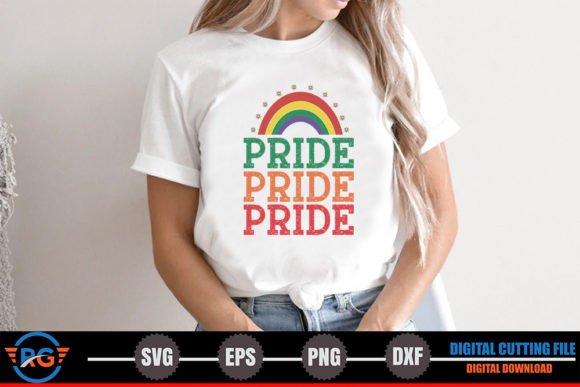
The mood created by Pride – Retro Pride SVG is undeniably cheerful and inclusive. The "retro" aspect suggests a specific stylistic approach—likely involving rounded typography, perhaps some sunburst elements, or a vintage color palette that evokes the 70s or 80s. For an embroidery project, this visual personality is crucial. It tells a story before a single stitch is laid down. When evaluating the layout, I look for balance. Does the design feel heavy on one side? Are the details too tight for a standard fill stitch? From what I can see in the preview, the composition feels solid, offering enough negative space to let the design breathe once stitched onto fabric texture.
For Etsy sellers and small shop owners, the visual appeal of this graphic translates directly into product value. A design that looks professional in a digital mockup needs to maintain that clarity when rendered in thread. The promise of a 100% editable file and 100% color changeable options is a significant plus. This means you aren't stuck with a default rainbow if your client wants a muted, earth-tone version for a nursery decor item, or a high-contrast black and white for a streetwear cap. This flexibility allows for brand consistency across different product lines.
Real-World Application: The Custom Tote Scenario
To truly test the viability of Pride – Retro Pride SVG, let's walk through a realistic scenario. Imagine a customer orders a custom embroidered tote bag for a local pride parade or a community festival. You choose a sturdy canvas material, which is excellent for holding shape but can be tricky with dense stitching. Because this item includes formats like SVG, EPS, DXF, and PNG, you have the versatility to use the vector files to create a precise applique design or send it directly to your digitizing software if you need to adjust the stitch density.
In this scenario, the retro style works beautifully against the natural texture of canvas. The bold shapes typical of retro graphics tend to hold up well under the tension of embroidery hoops. If you are using a satin stitch for the lettering or outlines, the clean lines of the SVG ensure sharp edges. However, if the design relies heavily on small, intricate details, you must consider the limitations of the hoop size. For a tote bag, a larger hoop is usually available, giving the machine room to navigate complex turns without puckering the fabric. The finished product would likely exude a sense of handmade quality that mass-printed items simply cannot match, increasing customer trust and engagement.
Versatility Across Different Products
Beyond tote bags, this design asset shines in several other areas of custom apparel and home goods:
- Sweatshirt Embroidery: The soft, fuzzy texture of fleece or French terry pairs wonderfully with retro themes. Just ensure the stabilizer is robust enough to prevent the design from sinking into the nap of the fabric.
- Baby Embroidery: For baby clothes, the gentle curves of retro fonts are perfect. However, always check the stitch density. Babies have sensitive skin, and a design with too many layers of fill stitch can feel scratchy.
- Embroidered Patches: Creating a patch allows you to test the design on a stable backing before applying it to a curved surface like a cap or hat. This is a safe way to gauge how the colors pop against different backgrounds.
- Kitchen Towels and Aprons: These make fantastic holiday gifts. The durability of the design after washing is key here. Retro styles often use bold blocks of color which tend to hide minor wear better than fine-line sketches.
Technical Considerations and Potential Pitfalls
While Pride – Retro Pride SVG offers great potential, a professional designer knows that every file has its quirks. Since the product description lists SVG, EPS, DXF, and PNG formats, it is important to clarify that these are primarily cut files or graphic vectors. If you are running a direct machine embroidery design, you may need to digitize this file yourself or ensure your software converts the vector paths into appropriate stitch types like running stitch, satin stitch, or fill stitch accurately.
There are specific situations where caution is advised. If you plan to embroider this on stretchy fabric, such as a thin t-shirt, the stability of the design becomes critical. Retro designs sometimes feature large solid areas; without proper stabilizer, these can cause the fabric to pucker or distort over time. Similarly, if you are working on dark fabric, you must verify that the thread colors provided in the default palette offer enough contrast. A dark blue thread on a navy sweatshirt will vanish, ruining the visual impact.
Small details also require scrutiny. If the design includes tiny lettering or very thin connecting lines, these might not translate well to a small hoop size or low-resolution embroidery machines. Always inspect the smallest corners of the design. In commercial embroidery projects, clarity is king. If a detail gets lost in the stitching, it looks like an error rather than a stylistic choice.
Designer Notes for Best Results
To get the most out of this graphics file for your craft business, follow these practical steps:
- Test on Scrap Fabric: Never run a new design on a final product without a trial. Use a scrap piece of the same material to check thread tension and color contrast.
- Check Licensing: Although the file is editable, always confirm the licensing terms before selling finished items or digital products derived from this asset. Commercial use rights vary by seller.
- Mockup Testing: Create printable mockups in both light and dark variations. This helps you visualize how the design assets will look in your Etsy listings before you even stitch a thread.
- Stabilizer Selection: Match your stabilizer to the fabric texture. Heavyweight cut-away stabilizer is often best for garments that will undergo frequent washing.
- Digitizing Review: If converting the SVG to an embroidery file, pay close attention to stitch direction. Changing the angle of fill stitches can dramatically alter how light reflects off the finished product.
Ultimately, Pride – Retro Pride SVG represents a versatile tool for the modern maker. Whether you are creating personalized gifts, boutique branding materials, or expanding your range of holiday embroidery options, this design holds significant promise. Its strength lies in its adaptability and its strong visual identity. By approaching it with a critical eye toward stitch density, fabric compatibility, and color theory, you can transform a simple digital file into a tangible piece of art that resonates with customers. In the world of handmade products, it is these thoughtful considerations that separate a hobbyist attempt from a professional, sellable commodity.