Winter Retro SVG: A Designer's Review for Embroidery
As someone who spends hours digitizing and stitching, I approach every new design asset with a critical eye. It is not enough for a file to look good on a screen; it must survive the needle, the thread tension, and the wash cycle. Recently, I evaluated the Winter Retro SVG Sublimation T-Shirt design, originally marketed for sublimation, to see if it holds up as a viable machine embroidery design for custom apparel and handmade goods. My goal was to determine if this graphic could transition from a digital print file into a tangible, stitched finished product that adds value to a craft business.
First Impressions: Mood and Vector Potential
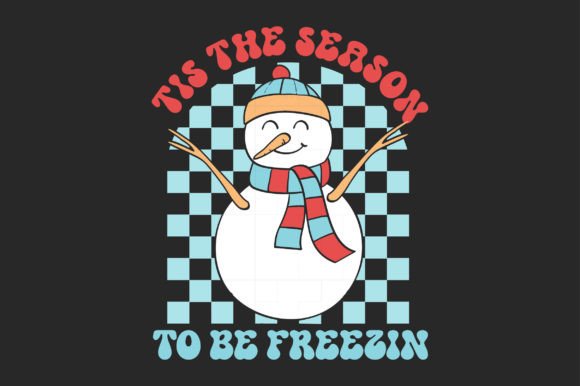
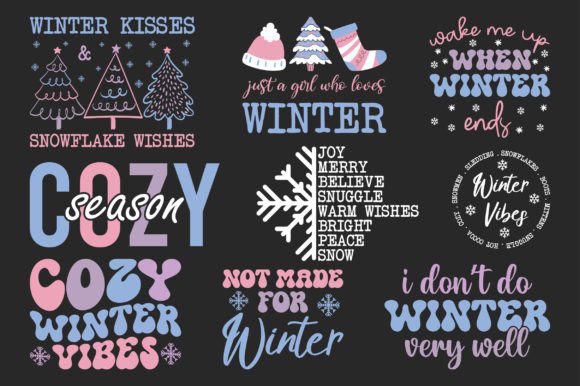
Upon opening the files, the first thing that struck me was the clean, nostalgic aesthetic. The "Winter Retro" theme carries a specific mood—cozy, vintage, and slightly playful—which is currently trending in boutique markets. The description notes that the design is made with 100 vector shapes and is resizable. For an embroiderer, this is a promising starting point. Vector-based graphics usually translate well into digitized formats because the lines are crisp and the color blocks are distinct.
The visual personality of this design suggests it belongs on soft, comfortable items. It feels right at home on a cream-colored sweatshirt or a structured tote bag. However, because this is technically a Graphics file intended for sublimation (available in AI, EPS, SVG, and PNG), it requires careful preparation before it becomes an embroidery file. You cannot simply load an SVG into your machine and expect perfect results without understanding how those vector shapes will convert to stitches.
Real-World Application: The Holiday Sweatshirt Project
To test the viability of this design, I imagined a real-life scenario: creating a limited run of holiday gifts for a small shop client. The project involved customizing heavy-blend sweatshirts with a retro winter motif. The Winter Retro SVG Sublimation T-Shirt design offered the perfect layout for a chest logo or a large back print.
In this context, the design's simplicity is its strength. Complex gradients in sublimation files often fail in embroidery, but if this design relies on solid color blocks as the vector data suggests, it can be effectively recreated using fill stitch and satin stitch techniques. For a sweatshirt embroidery project, the bold shapes would stand out against the textured fabric, providing that high-end, handcrafted look customers love. If executed well, this could easily become a best-selling item for an Etsy seller looking to expand their winter collection.
Adapting for Stitch and Fabric
Transitioning this design from a sublimation graphic to a stitched piece requires strategic thinking. Since the original file allows for easy color changes, you have the flexibility to adapt the palette to match specific thread colors. However, you must consider stitch density. Large areas of solid color in a vector file might need to be broken up with pattern fills or lighter density settings to prevent the fabric from puckering, especially on stretchy materials like t-shirts or baby clothes.
For a tote bag design, the sturdy canvas can handle denser stitching, making the retro shapes pop with definition. Conversely, if you are attempting baby embroidery on a soft onesie, you would need to reduce the density significantly and perhaps use a softer backing to ensure comfort against sensitive skin. The versatility of the 100 vector shapes means you can isolate specific elements—perhaps just the central icon—to create a smaller, more delicate embroidered patch or a pocket detail.
Critical Considerations for Commercial Use
While the potential is high, there are areas where caution is necessary. If you plan to use this on dark fabric, remember that sublimation designs often rely on the white of the shirt for highlights. In embroidery, you must manually add those light threads, which increases stitch count and production time. Additionally, tiny details or thin lines in the vector file might disappear if not thickened during the digitizing process.
Curved surfaces present another challenge. Placing this design on a cap requires checking the hoop size and ensuring the layout fits within the curved frame without distortion. Textured fabrics can also obscure fine details, so a test run on scrap fabric identical to your final material is non-negotiable. Always inspect small corners and sharp turns; these are common failure points where threads can bunch or break.
Enhancing Brand Value and Customer Trust
Using a well-executed version of the Winter Retro SVG Sublimation T-Shirt design can significantly boost your brand consistency. Customers associate clean, professional stitching with quality. When a personalized gift arrives with crisp edges and balanced colors, it builds trust and encourages repeat business. Whether you are selling holiday embroidery items or year-round custom apparel, the presentation of the design reflects directly on your reputation as a maker.
Furthermore, having a unique take on a popular retro theme helps your products stand out in a crowded marketplace. By adding your own touch through thread selection and stitch types, you transform a generic graphic into a signature handmade product. This level of customization is what allows small shop owners to charge premium prices compared to mass-produced alternatives.
Practical Notes for the Embroidery Designer
Before committing to a full production run, follow these practical steps to ensure success with this design:
- Test on Scrap Fabric: Always stitch a sample on the exact material you intend to sell. Check for puckering, registration issues, and thread breaks.
- Check Contrast: Verify that your chosen thread colors provide enough contrast against the fabric background, especially if moving away from the original sublimation palette.
- Review Density: Ensure the stitch density is appropriate for the fabric weight. Lighter fabrics need lighter stitching.
- Confirm Hoop Size: Measure the design dimensions against your available hoops to avoid unnecessary re-hooping or scaling issues.
- Inspect Details: Zoom in on the digitized file to ensure tiny elements haven't been lost and that sharp corners are reinforced.
- Mockup Testing: Create black and white mockups to evaluate the design's readability without the distraction of color.
- Stabilizer Selection: Choose the right stabilizer (cut-away for knits, tear-away for wovens) to support the design structure.
- Licensing Verification: Crucially, since this is sold as a graphic file, confirm the licensing terms. Ensure you have the right to use it for commercial embroidery projects and selling finished physical items.
In conclusion, the Winter Retro SVG Sublimation T-Shirt offers a solid foundation for creative embroidery projects within the Crafts category. With thoughtful digitizing and attention to fabric compatibility, it can be transformed from a simple digital download into a stunning, tactile addition to your product line. Whether for a cozy winter gift or a boutique merchandise drop, the key lies in respecting the limitations of the medium while leveraging the design's inherent charm.