Review: 4th of July America Svg Design for Embroidery
As a designer who spends more time staring at stitch simulations than most people spend on their actual hobbies, I approach new design assets with a healthy dose of skepticism. We see thousands of patriotic files every season, but few hold up when translated from a vector screen to physical thread. Today, I am evaluating the 4th of July America Svg Design, specifically looking at its potential as a machine embroidery design for real-world client projects and small business inventory.
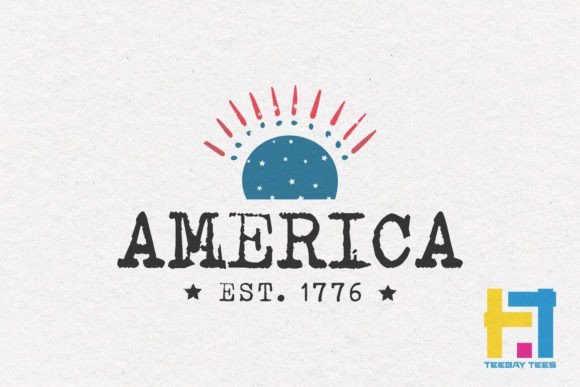
The product description highlights a "Vintage sun" motif paired with "America est 1776," promising a retro aesthetic suitable for T-shirts, mugs, and stickers. While the source file is listed under Crafts and Graphics as an SVG and PNG, my job is to determine if this visual personality survives the transition to needle and thread. Does it have the structural integrity for a finished product that a customer will wear proudly, or is it just another digital clipart piece that falls apart under tension?
First Impressions: Mood and Visual Personality
Upon opening the file, the immediate impression is one of nostalgic warmth. The "Vintage sun" element suggests a worn-in, classic Americana vibe rather than a sharp, modern graphic. This is crucial for embroidery because vintage styles often forgive minor stitching imperfections better than ultra-clean, geometric designs. The layout feels balanced, with the "est 1776" text anchoring the sunburst.
For an embroidery project, this mood dictates the fabric choice. This isn't a design for neon performance wear; it belongs on heather grey cotton, washed canvas, or soft jersey. The visual weight of the sun rays combined with the typography suggests a design that needs space to breathe. If you crowd this into a tiny 4x4 hoop without adjusting the scale, you risk losing the "vintage" charm and ending up with a muddy cluster of threads. The design naturally leans toward larger placements, like the center chest of a sweatshirt embroidery project or the back of a denim jacket.
Real-World Application: The Tote Bag Test Case
To truly evaluate this digital embroidery file, I imagined a specific scenario: a custom order for a local boutique needing a run of holiday embroidery items for a summer street fair. The item in question? A heavy-duty canvas tote bag design. Canvas is unforgiving; it has a coarse fabric texture that can swallow fine details.
In this context, the 4th of July America Svg Design shines if handled correctly. The bold lines of the sunburst would translate well into a fill stitch or even a textured applique design if you wanted to add dimension. Imagine using a slightly off-white thread on natural canvas to enhance that "aged" look described in the product notes. However, the "America est 1776" text requires careful attention. In a real stitching scenario, small lettering on textured fabric is where designs often fail. If the original SVG paths are too thin, the machine might struggle to create clean satin stitch columns, leading to fraying or gaps.
For a handmade product like this, the value lies in the presentation. A customer buying a patriotic tote wants something that looks durable and authentic. If the stitch density is too high, the bag might pucker, ruining the drape. If it's too low, the canvas shows through, looking cheap. This design demands a test run on scrap material identical to your final product to find that sweet spot.
Navigating Technical Challenges and Fabric Types
While the aesthetic is strong, there are areas where this design requires caution. The prompt mentions suitability for mugs and stickers, but as an embroiderer, we must consider the limitations of thread on various surfaces.
- Curved Surfaces: If you attempt this on a cap, the curvature of the front panel can distort the sun rays. The radial lines of the sun might look uneven if the hooping tension isn't perfect. This design is better suited for flat surfaces like pillow covers or tea towels unless you have significant experience with cap framing.
- Stretchy Fabrics: For baby embroidery on onesies, the stretch of the knit fabric is a major factor. A dense sunburst design could restrict movement or cause the garment to warp after washing. You would need a high-quality cut-away stabilizer to support the stitch density without making the neck area stiff and uncomfortable.
- Dark Fabrics: The vintage theme often implies lighter, faded colors. On a navy or black custom apparel piece, you must ensure your thread colors have enough contrast. A muted yellow sun might disappear against dark blue. You may need to adjust the color palette from the original graphic to ensure visibility and vibrancy.
Furthermore, tiny details are the enemy of durability. If the "1776" includes serifs or sharp corners, these are prone to snagging. For items that will be frequently washed, like kitchen towels or t-shirts, consider simplifying the font or increasing the stroke width during the digitizing phase if you have access to edit the embroidery file.
Commercial Viability and Brand Consistency
For Etsy sellers and craft business owners, the profitability of a design often hinges on its versatility and perceived value. The 4th of July America Svg Design offers a timeless theme that doesn't scream "disposable holiday decor." Instead, it feels like a brandable asset.
Using this design across a consistent line of products—matching embroidered patches, aprons, and tote bags—can create a cohesive collection that builds customer trust. When a buyer sees high-quality stitching with clear definition and thoughtful color choices, they associate that professionalism with your entire shop. It elevates a simple personalized gift into a boutique-quality item.
However, before listing this as a small shop product, you must verify the licensing terms. The product description mentions it is for print and apparel, but commercial embroidery rights can vary. Always confirm whether the license allows for unlimited physical sales or if there are restrictions on the number of finished items you can produce. Never assume a graphics license automatically covers commercial machine embroidery usage.
Practical Designer Notes for Success
To get the best results from this design, I recommend the following workflow before committing to a production run:
- Test on Scrap: Always stitch a sample on the exact fabric you intend to sell. Check how the sun rays interact with the weave.
- Check Contrast: View your thread chart in black and white. If the text blends into the background rays, adjust the thread shades.
- Review Density: If the design feels stiff after stitching, reduce the fill density in your software. Vintage looks often benefit from seeing a bit of the fabric underneath.
- Inspect Small Details: Zoom in on the "est 1776" text. Ensure there are no micro-jumps or unnecessary trims that could weaken the thread.
- Mockup Verification: Create printable mockups on both light and dark backgrounds to visualize the final appeal before purchasing bulk materials.
In conclusion, the 4th of July America Svg Design is a promising candidate for commercial embroidery when treated with technical respect. It captures a specific, marketable mood that resonates with buyers looking for authentic, handmade Americana. By paying attention to fabric compatibility, stabilizer choices, and stitch optimization, you can transform this graphic into a standout finished product that enhances your brand and delights your customers.