Review: 4th of July Red White Woof America SVG for Embroidery
As a designer who spends more time at the hoop than away from it, I approach every new digital embroidery file with a mix of excitement and skepticism. We all know that what looks crisp on a screen doesn't always translate well to thread. Recently, I got my hands on the 4th of July Red White Woof America SVG to evaluate its potential for real-world craft business applications. This isn't just about whether the graphic is cute; it's about whether it can withstand the rigors of stitching, washing, and wearing while maintaining the charm of a handmade product.
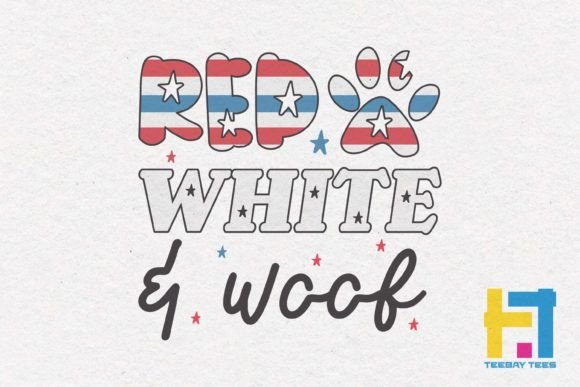
The first impression of this design is undeniably festive. The "Red White and Woof" theme taps perfectly into the current trend of pet-centric holiday apparel. Visually, the layout balances patriotic symbolism with a playful animal motif. For an Etsy seller or boutique owner, this kind of crossover appeal is gold. It moves beyond generic star-spangled designs and offers something specific for dog lovers. However, before committing to a production run, I needed to see how these vector lines would behave as actual stitches.
From Vector to Thread: Assessing Stitchability
The core challenge with any Graphics file intended for embroidery is the conversion from a print-ready image to a stitchable format. While the product description highlights high-resolution PNGs and SVGs suitable for printing on mugs or t-shirts, using this as a machine embroidery design requires a different eye. If you are digitizing this yourself from the provided SVG, pay close attention to the curves in the paw print and the lettering. Sharp corners in a digital file often need to be softened in the digitizing software to prevent thread breaks or bird nesting.
In a hypothetical stitch-out scenario, I envision this working beautifully as an applique design. The distinct color blocks of red, white, and blue lend themselves well to fabric layers. Using a satin stitch border around the paw and text elements would give the finished piece a premium, boutique feel compared to a simple fill stitch. If you opt for a full fill, you must be mindful of stitch density. Too dense, and the fabric will pucker; too light, and the backing will show through, ruining the vintage aesthetic.
Real-World Application: The Summer Tote Project
To truly test the viability of the 4th of July Red White Woof America SVG, I visualized a specific project: a custom canvas tote bag for a local farmer's market vendor who sells organic dog treats. This is a classic small shop product scenario. The tote needs to be durable, washable, and eye-catching.
For this application, the design's bold shapes are a major asset. On a textured canvas fabric, fine details can get lost, but the strong silhouette of the paw and the clear typography should hold up well. I would recommend using a cut-away stabilizer rather than tear-away for this project. Since a tote bag carries weight and undergoes friction, the stability of the stitching is paramount to prevent distortion over time. The result would be a professional-looking embroidered patch effect that elevates the brand identity of the vendor.
Another excellent use case is sweatshirt embroidery. Imagine a cozy fleece hoodie featuring this design on the chest or sleeve. The vintage vibe of the artwork pairs naturally with the retro resurgence in athletic wear. Here, the texture of the fleece adds depth to the threads. However, one must be cautious with thread colors. A bright red against a navy blue sweatshirt pops nicely, but if the garment is black, you might need to adjust the outline color to ensure the red doesn't look muddy.
Navigating Fabric Challenges and Hoop Constraints
While the design is versatile, it is not without its limitations. If you plan to use this on stretchy fabrics like jersey knits for baby embroidery projects, extra care is required. The horizontal span of the text "America" combined with the paw graphic could cause gapping if the fabric stretches during wear. In these cases, testing on scrap fabric is non-negotiable. You need to verify that the hoop size you have available can accommodate the full width of the design without cropping essential elements.
Curved surfaces present another hurdle. Applying this to a structured cap is possible, but the flat nature of the text might require column splitting or special underlay techniques to sit smoothly on the curved brim area. Furthermore, if you are aiming for a personalized gift like a kitchen towel, remember that tea towels often have a loose weave. A high-density running stitch might pull through the holes, so a lighter touch or a backing fabric might be necessary to preserve the integrity of the linen.
Commercial Viability and Brand Consistency
For commercial embroidery professionals, consistency is key. If you are selling this as part of a summer collection, you need to ensure that every unit looks identical. The 4th of July Red White Woof America SVG offers a strong foundation for this because the shapes are distinct and less prone to minor digitizing variances than highly complex illustrations. This reliability builds customer trust. When a buyer receives a finished product that looks exactly like the printable mockup they saw online, repeat business follows.
However, a crucial reminder for all creative entrepreneurs: always verify the licensing terms before selling. The product description mentions suitability for apparel and stickers, but commercial rights for physical goods versus digital assets can differ. Ensure you have the clearance to sell stitched items derived from this file to avoid legal pitfalls down the road.
Final Verdict for Makers and Designers
The 4th of July Red White Woof America SVG is a strong contender for your holiday lineup. Its strength lies in its clear thematic messaging and adaptable composition. Whether you are creating holiday embroidery for family gifts or stocking inventory for a craft fair, this design delivers the patriotic spirit with a modern, pet-loving twist. Just remember that the file is only half the battle. Your choice of fabric, stabilizer, and thread quality will ultimately determine whether this design becomes a cherished keepsake or a forgotten experiment. Test your tension, check your contrasts, and let your machine do the rest.